
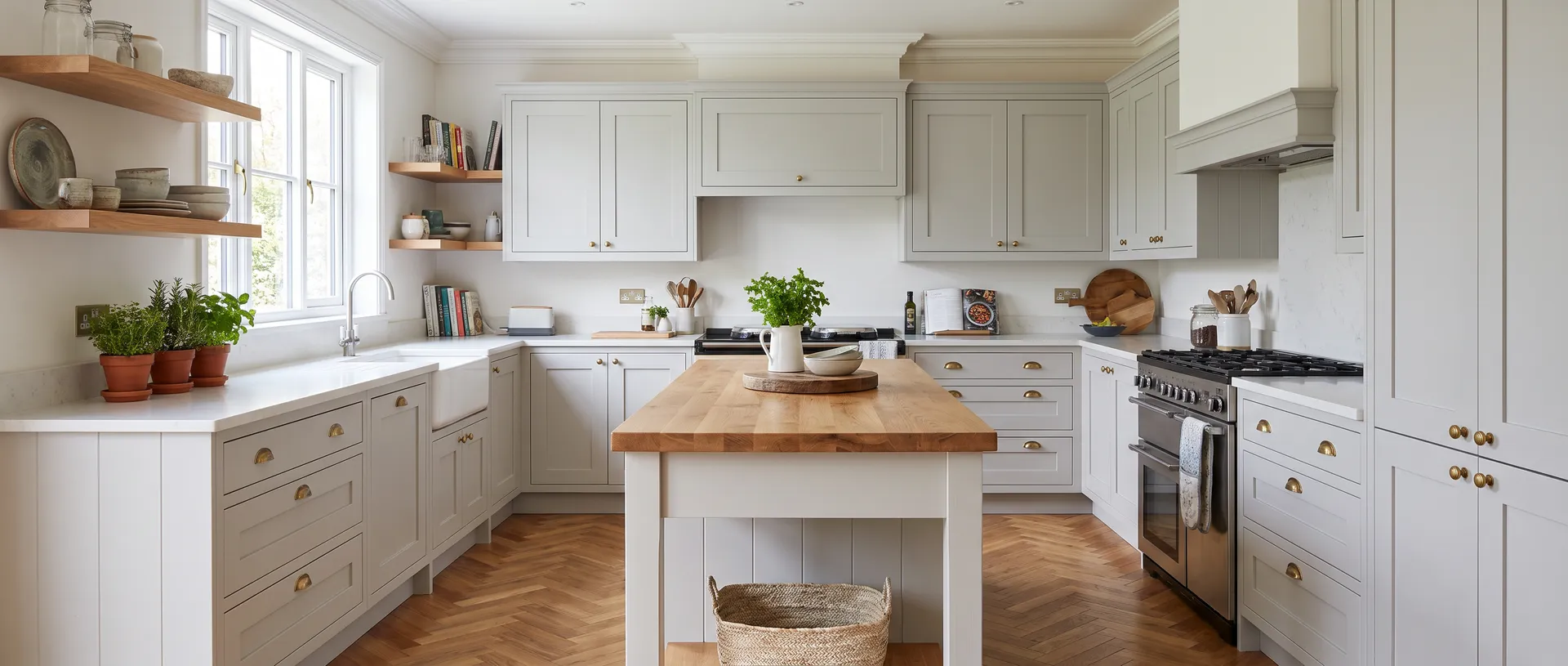
Do Kitchen Fitters Remove the Old Kitchen?
Strip-out is not always included in a standard installation quote. Install My Kitchen can arrange strip-out and disposal as an addition, typically adding £200–£400 to the project cost depending on kitchen size.
What Kitchen Strip-Out Involves
Kitchen strip-out involves carefully removing all existing units, worktops, plinths, and cornices without damaging the walls, floor, or services behind them. Appliances must be disconnected by the appropriate trades before removal. The stripped kitchen must then be removed from the property and disposed of responsibly — either via a skip, a licensed waste carrier, or a recycling centre. This is a skilled and physically demanding task that is typically charged separately.
Is Strip-Out Included in My Quote
Strip-out is not automatically included in most kitchen installation quotes. It is commonly itemised separately because the time and disposal cost varies significantly depending on the size of the existing kitchen and access to the property. At Install My Kitchen, strip-out and disposal is quoted as a clear separate line item after the pre-installation survey. Typical additional cost is £200–£400 depending on kitchen size. This avoids any ambiguity on project day.
Asbestos Awareness in Older Kitchens
In properties built before 2000, there is a possibility of asbestos-containing materials in floor tiles, ceiling tiles, or textured coatings behind existing units. If your property is of this age, an asbestos survey is advisable before any strip-out work begins. This is a legal requirement for certain building types and a sensible precaution in any older home. Install My Kitchen can advise on this during the survey visit.
Step by Step: What Happens During Strip-Out
Strip-out follows a set sequence to avoid damaging surfaces the new kitchen will rely on. First, worktops are removed, followed by wall units, then base units, working from one end of the run to the other. Plinths, cornices and any decorative end panels come off next. Tiling is left in place unless the new layout requires it removed, since retiling is a separate job. Finally, the empty units and worktops are broken down where necessary to fit through doorways and loaded for disposal.
Cost Breakdown by Kitchen Size
Strip-out and disposal pricing scales with the number of units and access difficulty: a small kitchen (8–12 units) typically costs towards the lower end of the £200–£400 range, while a large kitchen (21+ units) with more cabinetry and potentially an island sits at the upper end. Properties with restricted access — flats above ground floor, or narrow hallways — can push costs higher due to the extra time needed to remove waste safely.
Related Questions
Yes, provided you are confident with the work and all appliances have been disconnected by appropriate trades first. DIY strip-out can save money, but care must be taken not to damage walls, floors, or services that the new kitchen will use.
The sink and any plumbed appliances must be disconnected by a qualified plumber before strip-out begins. The cooker or hob must be disconnected by a qualified electrician or gas engineer depending on the fuel type.
Install My Kitchen arranges disposal through a licensed waste carrier. Units are recycled where possible. The disposal cost is included in the strip-out charge quoted after the survey.
Professional strip-out minimises wall damage, but it is normal for some areas to require filling and repainting after removal. Tiling behind existing units may also need attention before the new kitchen is installed.
Related Questions
Explore More
Ready to Book Your Kitchen Installation?
Book a survey and get a fixed quote within 24 hours. Survey fee £195 — credited back on booking.